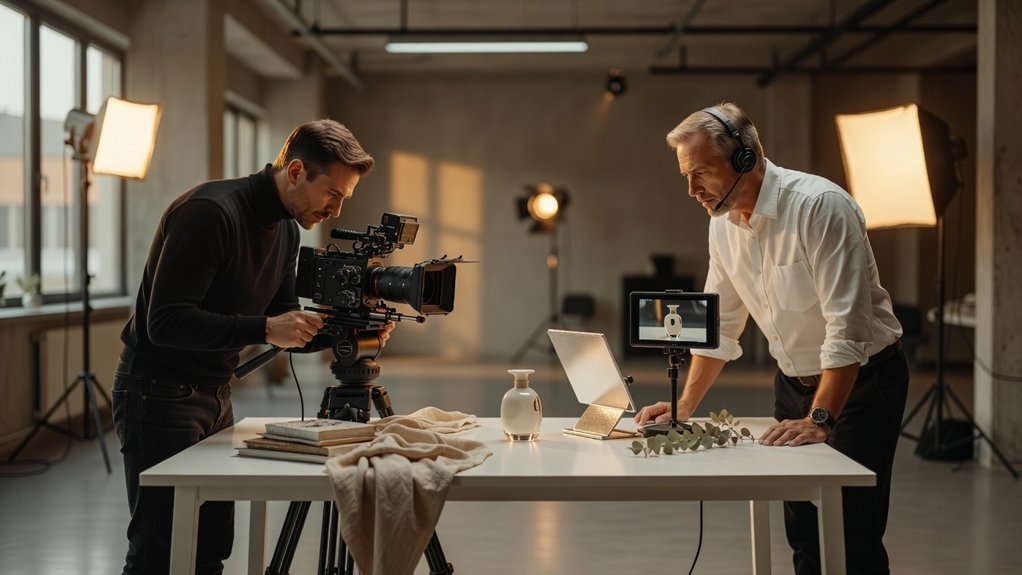
Have you considered film production as part of your next product launch? Like any well-planned campaign, a marketing film needs a clear goal before production begins. Define what you want viewers to do, shape the script around your audience, and direct your budget toward the parts of the story that matter most.
Focused filming and editing can keep viewers engaged, but views alone don’t show whether the film is working. Track what viewers do next, then use those results to improve your approach and support conversions.
Set Goals for Your Marketing Film

Before production begins, decide what your marketing film needs to achieve. A clear goal can guide your budget, creative choices, distribution plan, and measurement strategy. Choose one primary outcome, such as generating qualified leads, explaining a product, or building brand awareness. Then define the action you want viewers to take.
Identify your target audience and the business need the film will address. This focus helps you choose relevant storytelling techniques and avoid ideas that don’t support your objective. Before filming, set measurable indicators, such as completed views, click-through rates, sign-ups, or sales. Match each metric to your goal: views alone won’t show impact if you’re aiming for conversions.
Finally, establish a baseline and a reporting period. Use these benchmarks to assess audience engagement, compare results across channels, and make evidence-based decisions about future productions.
Write a Marketing Film Script That Connects
Once you’ve set your goal, build the script around your audience’s needs and the action you want them to take. Start with a problem they recognize, then show how your offer can help solve it. Use specific details and a clear story arc to earn attention and make your message memorable.
Use storytelling to guide viewers from challenge to solution without overwhelming them with claims. A customer’s perspective, a useful demonstration, or a compelling example can make your value tangible. Keep the dialogue natural and give every scene a purpose.
Reinforce your message with consistent visual branding, including colors, imagery, and tone that help viewers recognize your business. End with one direct call to action that tells them exactly what to do next. Read the script aloud, remove distractions, and make sure every line advances the story or supports that action.
Plan Your Marketing Film Production Budget
A strong script sets the direction; a clear budget makes it producible. Start by defining what the film needs to achieve, then set a spending limit that supports that goal. Break costs into essential categories, such as crew, locations, equipment, talent, travel, and contingency. Prioritize the elements that directly serve your message and audience instead of spreading funds evenly.
Request itemized estimates early, compare options, and confirm what each vendor’s fee includes. Set aside a reserve for schedule changes or unexpected expenses, and track committed costs against your approved total.
Match people, time, and tools to the scope you can afford. If costs exceed your limit, consider simplifying locations, reducing shoot days, or adjusting the concept before production begins. A disciplined budget keeps decisions aligned with business priorities and gives your team a realistic plan for delivering the film.
Film and Edit for Audience Attention
How do you keep viewers engaged from the first frame to the last? Start with a clear hook that speaks to your audience’s needs, then build each scene around one focused message. Use visual storytelling to show your product or service in context, making its value easy to understand without lengthy explanations. Capture purposeful footage, including expressive faces, useful details, and varied compositions that guide attention.
In the edit, remove pauses, repetition, and anything that slows the momentum. Create a deliberate rhythm with concise scenes, smooth transitions, and sound that supports the message. Add captions so viewers can follow along without audio, and keep on-screen text brief and easy to read. Match the pacing and format to the platform while preserving your brand’s voice. Strong audience engagement starts with intentional choices, not extra effects or unnecessary footage.
Measure Film Results and Improve Conversions
Connect each film to a measurable business goal, such as generating qualified leads, encouraging product trials, or driving purchases. Before launch, record a baseline and choose metrics that show progress, including view-through rate, watch time, click-through rate, landing-page actions, and cost per conversion. Track results by channel, audience, and creative version to learn what drives action—not just views.
Use engagement signals to identify where a film may be losing viewers. If people leave early, strengthen the opening or shorten the film. If they watch but don’t click, revisit the offer, call to action, or landing-page match. Test one change at a time, give each version enough exposure, and compare results with your goal. Share what you learn with your production team and apply it to the next film. This steady process helps turn evidence into more effective creative and stronger conversions.
Frequently Asked Questions
Which Video Formats Work Best Across Different Marketing Platforms?
Like a Swiss Army knife, one adaptable video can work across multiple channels. For best results, use vertical video for TikTok and Reels, square video for social feeds, and widescreen video for YouTube. Tailor the animation style to each platform and audience.
How Do We Choose a Production Company for Our Marketing Film?
Choose a production company with relevant industry experience, strong storytelling, measurable results, and clear communication. Compare portfolios, references, and creative fit. Discuss budget and timelines upfront, then confirm deliverables, usage rights, and success metrics before signing.
What Permissions Are Needed to Use Music, Images, or Customer Testimonials?
You’ll typically need a license for each music track and written permission to use images you don’t own. Before publishing customer testimonials, obtain permission and any needed releases covering names, likenesses, edits, channels, and how long you can use them.
Should We Create Separate Film Versions for Different Audience Segments?
Yes—create separate film versions when audience needs, motivations, or viewing channels differ. Use audience targeting and content personalization to tailor the messaging, examples, and calls to action. Test each version, then invest in the ones that improve engagement and conversions.
How Can We Make Marketing Films Accessible to Viewers With Disabilities?
Make your marketing films accessible with captions, transcripts, audio description, and keyboard-friendly players. The World Health Organization estimates that 1.3 billion people experience significant disability. Accessible storytelling and inclusive visuals can help you reach more viewers and create a more engaging experience for everyone.